Checking account...Please wait.
Breakdown Solutions for Fleet Managers: 2026 Guide - Expert insights and guidance for truck operators. Learn maintenance strategies, repair options, and cost management from FRAQ Solutions.

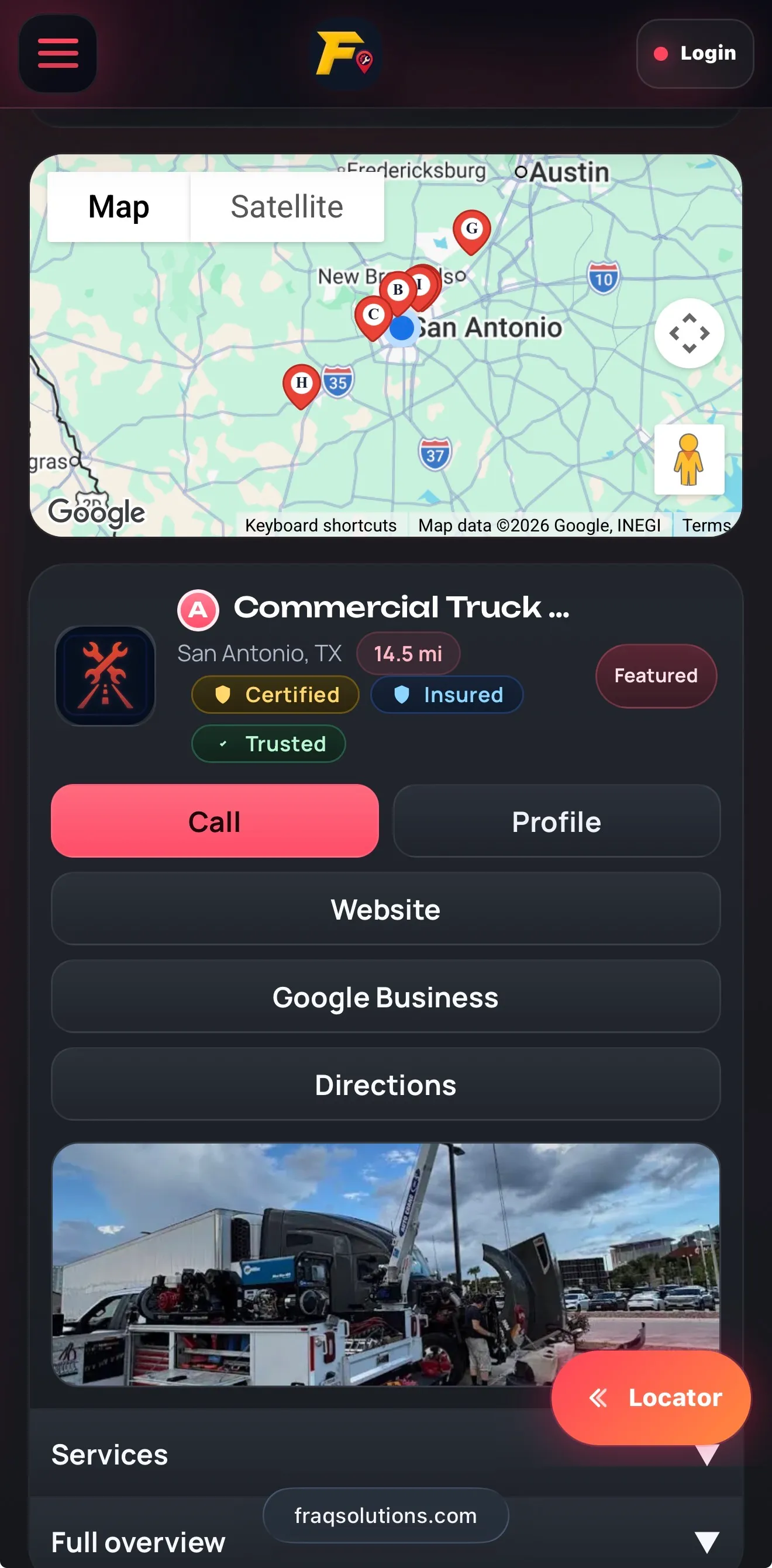
Breakdown solutions are specialized services designed to rapidly restore commercial trucks to operational condition after a mechanical failure, tire blowout, or electrical fault. Fleet managers who treat roadside assistance as an afterthought pay for it in extended downtime, missed delivery windows, and driver safety risks. The most effective vehicle assistance services combine centralized service procurement, on-site repair technology, and pre-vetted provider networks to cut recovery time and control costs. Fraqsolutions connects fleets directly to mobile diesel mechanics, truck repair shops, and towing services across the United States without middlemen or commissions.
Centralized platforms are the single biggest efficiency gain available to fleet managers dealing with vehicle breakdowns. Instead of drivers calling multiple shops from the shoulder of a highway, a centralized system routes the request, tracks the repair, and consolidates billing in one place. Consolidated billing eliminates individual invoice processing, which directly improves fleet manager efficiency and reduces administrative overhead.

The core features that matter most in a centralized procurement platform include:
24/7 access to certified repair networks so drivers are never left waiting for business hours
Consolidated invoicing that links repairs directly to fleet billing accounts
Digital repair documentation that creates an audit trail for warranty claims and insurance
Real-time status updates so dispatchers know when a truck will be back on the road
Pre-registered provider lists that trigger automatic dispatch for preferred routes
Reducing paperwork is not just a convenience. Every minute a driver spends on the phone coordinating repairs is a minute the load sits still.
Pro Tip: Pre-register your most-used emergency service providers in your procurement platform before a breakdown occurs. Automatic dispatch to a known provider cuts coordination time significantly compared to cold-calling shops during a crisis.
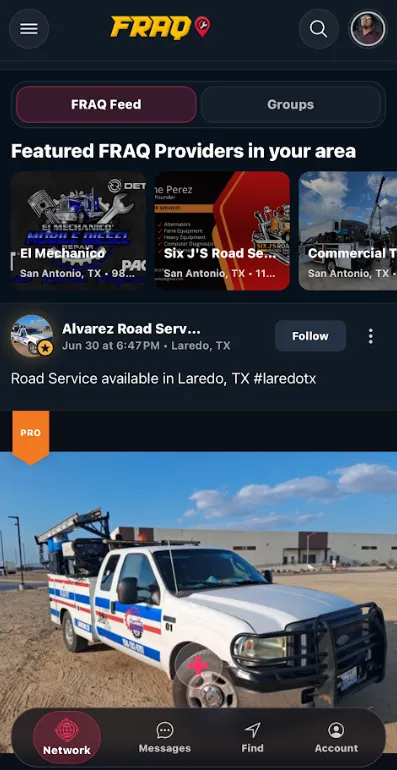
Mobile repair units are the fastest path to getting a truck moving again. On-site repair services complete repairs in approximately 70–80% of routine cases, avoiding costly towing entirely. That statistic matters because a tow adds hours to recovery time and hundreds of dollars to the bill before a wrench is even picked up.
Specialist technicians deployed to the roadside carry mobile diagnostic tools including electronic fault readers, air system testers, and gas detectors. These tools allow a technician to read fault codes, identify the root cause, and confirm whether the repair is achievable on-site before ordering parts. The key advantages of on-site repair over towing include:
Faster resolution because the truck does not wait in a shop queue
Lower total cost since towing fees and storage charges are eliminated
Less driver disruption because the driver stays with the load
Immediate parts sourcing when the technician communicates the fault to a nearby supplier in advance
The most common reason an on-site repair fails is that the technician arrives without the right parts. Giving the technician a precise fault description before dispatch solves this problem.
Pro Tip: When calling for emergency repair services, tell the dispatcher the exact fault code or symptom in plain language. "No air to rear trailer" gets the right technician with the right parts. "Truck won't move" does not.
Response time is the metric that separates a manageable breakdown from a costly one. Urban dispatch response ranges from 38 to 90 minutes depending on traffic and provider availability. Fleet managers who understand this range can set realistic driver expectations and plan accordingly.
Dispatch centers triage calls based on four factors:
Safety hazard level — a truck blocking a lane or carrying hazmat gets priority over a truck safely parked at a rest area
Load sensitivity — refrigerated loads, live animals, and time-critical freight move to the front of the queue
Traffic and time of day — peak hours extend response windows; dispatchers factor this into their estimates
Location precision — a driver who provides a mile marker, GPS coordinates, and highway direction gets dispatched faster than one who says "somewhere on I-40"
Specific failure descriptions help dispatchers triage calls and can reduce response times by up to 20 minutes. That is not a minor gain. Twenty minutes on a refrigerated load or a time-sensitive delivery is the difference between a recoverable situation and a service failure.
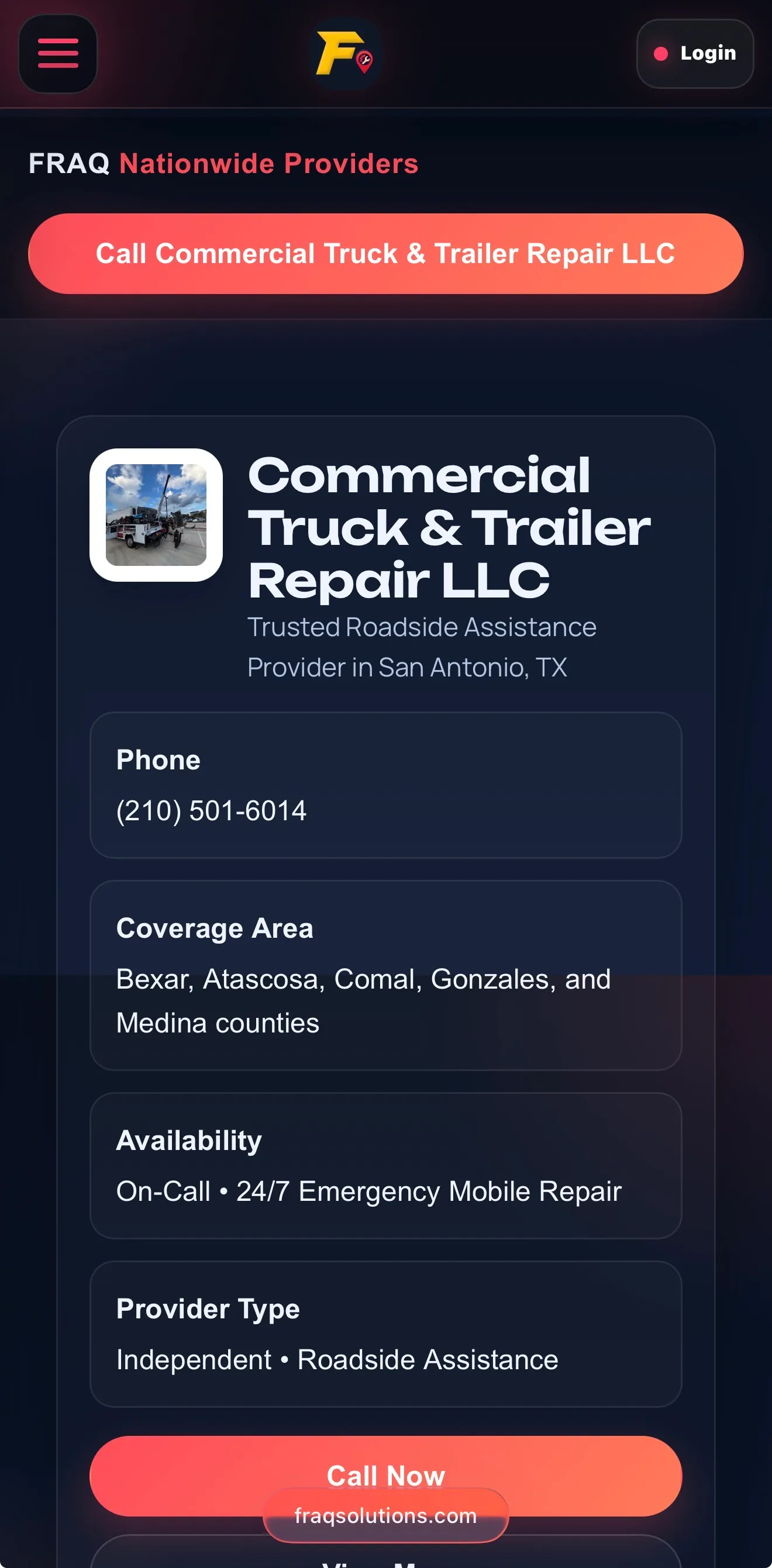
Experienced fleet managers also build backup provider lists for high-traffic corridors. Service providers often have blackout zones or peak volume hours with slower responses. A secondary list means the dispatcher moves to the next provider immediately rather than waiting on hold.
Billing disputes after a breakdown are preventable. Billing transparency, including upfront explanation of call-out fees and labor rates, prevents invoice disputes and unexpected costs. The time to discuss fee structures is during the initial service call, not after the repair is complete.
A standard breakdown invoice includes several components that fleet managers should understand before authorizing work:
Call-out fee — a flat charge for dispatching the technician, regardless of repair outcome
Labor rate — typically charged per hour, with overtime surcharges after standard business hours
Parts markup — the difference between wholesale and retail parts pricing
Mileage or travel fee — charged when the technician travels beyond a standard service radius
Minimum charge — some providers bill a minimum of one or two hours even for short repairs
Flat-rate pricing sounds simple but often excludes parts. Hourly pricing sounds risky but can be cheaper for straightforward repairs. Knowing the difference before the technician arrives protects the fleet's budget.
Pro Tip: Use service contracts that require itemized invoicing for all emergency repairs. A single-line invoice for "roadside service" is not sufficient for accounting, warranty claims, or dispute resolution.
Waiting until a breakdown happens to find a service provider is the most expensive mistake a fleet manager can make. Pre-vetting emergency partners along frequent routes leads to faster dispatch and reduced downtime. The vetting process takes time upfront but pays back every time a driver calls in a breakdown.
A reliable pre-vetting process follows these steps:
Map your primary routes and identify the high-breakdown-risk corridors based on mileage, terrain, and traffic patterns
Research certified providers in each corridor, focusing on shops with commercial truck experience and 24/7 availability
Verify credentials including ASE certifications, DOT compliance history, and insurance coverage
Negotiate terms including response time commitments, billing structures, and parts sourcing agreements
Load provider data into your fleet management system or a platform like the FRAQ Network App for instant access during a breakdown
Review and update the list quarterly, removing providers who miss response commitments or generate billing disputes
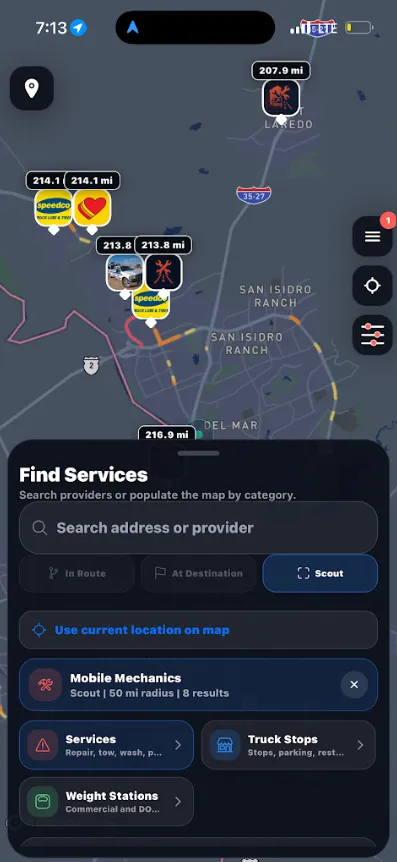
Experienced fleet managers maintain secondary backup lists to handle provider blackout zones and peak volume delays. A primary provider who is unavailable at 2:00 AM on a holiday weekend is not a provider you can rely on. The backup list is not optional. It is part of the plan.
The Fraqsolutions locator tool helps fleet managers identify certified repair providers near any point on a route, making it practical to build and maintain a current provider network without manual research.
Communication failure is the primary cause of breakdown delays, according to fleet service experts. A driver who cannot clearly describe the fault, location, or load type forces the dispatcher to ask follow-up questions, which adds time before a technician is even assigned.
The solution is a standardized dispatch packet that every driver knows how to provide. Providing GPS coordinates, VIN, warning light codes, and load details cuts initial diagnostic time by 20–30%. That reduction translates directly into faster technician arrival and faster repair completion.
Fleet managers should train drivers to report the following at the moment of breakdown contact:
Exact location with GPS coordinates or mile marker and direction of travel
Vehicle identification number and unit number
Active fault codes or warning lights with exact descriptions
Load type, weight, and any temperature or hazmat requirements
Whether the truck is safely off the road or creating a traffic hazard
Drivers who complete this checklist in the first 60 seconds of a breakdown call give dispatchers everything needed to assign the right technician with the right equipment. The driver and fleet dashboard from Fraqsolutions supports this process by giving drivers a structured interface for reporting breakdowns and tracking service status in real time.
The most effective breakdown solutions combine pre-vetted provider networks, on-site repair technology, and standardized communication protocols to minimize fleet downtime and control costs.
PointDetailsCentralize service procurementUse a single platform for dispatch, repair tracking, and consolidated billing to cut administrative time.Deploy on-site repair firstMobile technicians resolve 70–80% of routine breakdowns without towing, saving time and money.Pre-vet providers by routeBuild and maintain an approved provider list before a breakdown occurs to guarantee fast dispatch.Standardize driver communicationTrain drivers to report GPS location, VIN, fault codes, and load details in the first call.Require itemized billingContracts with detailed invoicing requirements prevent disputes and protect fleet budgets.
The trucking industry talks a lot about response time. What gets less attention is the gap between the moment a driver calls in a breakdown and the moment a dispatcher has enough information to act. That gap is where most delays actually live.
Fleets that invest in driver communication training see faster recoveries than fleets that invest only in provider networks. A driver who can say "fault code SPN 3364 FMI 18, reefer load at 34°F, mile marker 212 eastbound on I-10, truck is off the road on the right shoulder" gives a dispatcher a complete picture in under 30 seconds. A driver who says "the truck stopped working" sends the dispatcher into a diagnostic loop before a technician is even called.
Technology adoption matters, but it only works when drivers and fleet managers use it consistently. Platforms like Fraqsolutions remove friction from the process by connecting drivers directly to verified providers without phone trees or commission layers. The value is not just speed. It is accountability. When a provider is listed, rated, and contactable through a single platform, there is a record of every interaction.
The fleets that manage breakdowns best treat recovery planning the same way they treat route planning. They map the risks, assign the resources, and practice the protocols before anything goes wrong. That mindset is the real breakdown solution.
— FRAQ
Fraqsolutions gives fleet managers and drivers direct access to a nationwide network of mobile diesel mechanics, truck repair shops, towing services, and trailer repair providers across the United States. The platform operates 24/7 without commissions or middlemen, so the connection between a driver and a provider is direct and transparent.
Fleet managers can use Fraqsolutions to pre-load approved providers by route, track active service requests, and manage consolidated billing from a single dashboard. Drivers get real-time access to the nearest verified providers through the mobile app, with GPS-based search and direct contact options. For fleets looking to build a reliable emergency response network, the Fraqsolutions roadside assistance platform is built specifically for commercial trucking operations. Visit the Info & FAQs page to learn how the platform supports breakdown recovery from first call to final invoice.
Breakdown solutions are the services, tools, and protocols used to restore a commercial truck to operation after a mechanical failure. They include emergency repair services, mobile technician dispatch, towing, and centralized service procurement platforms.
Urban dispatch response ranges from 38 to 90 minutes depending on traffic, provider availability, and location precision. Providing exact GPS coordinates and a clear fault description reduces wait time.
Mobile repair units resolve approximately 70–80% of routine commercial truck breakdowns on-site, eliminating the need for towing and reducing total recovery time.
Request an itemized cost breakdown during the initial service call, including call-out fees, hourly labor rates, and parts markup. Discussing fee structures upfront prevents invoice disputes after the repair is complete.
A driver should provide GPS coordinates or a mile marker, the vehicle identification number, active fault codes, load type, and whether the truck is safely off the road. Detailed dispatch information cuts diagnostic time by 20–30% and speeds technician arrival.
Broken Down Truck: Driver's Safety and Recovery Guide | FRAQ Solutions
Truck Repair Shops: A 2026 Operator's Guide | FRAQ Solutions
Truck Wash Near Me: A Driver's Guide for 2026 | FRAQ Solutions