Checking account...Please wait.
Truck Wash Near Me: A Driver's Guide for 2026 - Expert insights and guidance for truck operators. Learn maintenance strategies, repair options, and cost management from FRAQ Solutions.

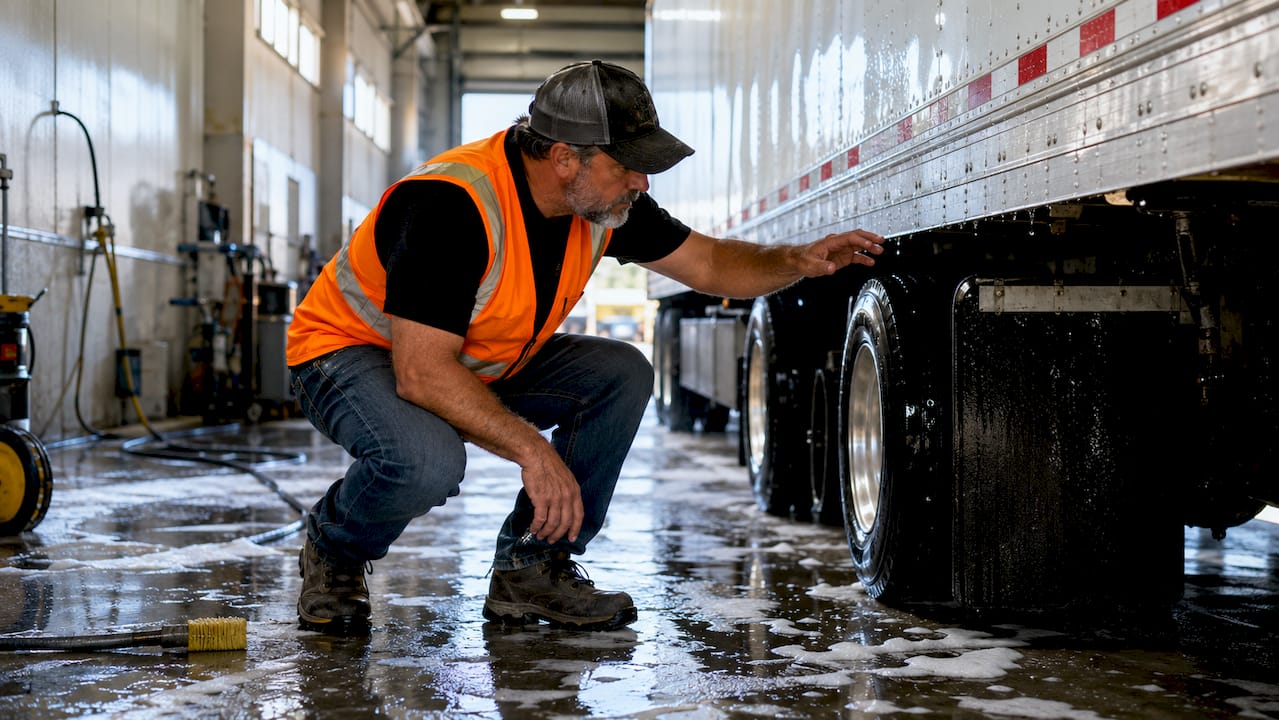
A truck wash near me is a professional service designed to clean commercial trucks and trailers with speed, convenience, and the right equipment for heavy-duty vehicles. For drivers and owner-operators running long hauls across the United States, keeping a rig clean is not optional. Dirty trucks face DOT scrutiny, corrode faster, and reflect poorly on the carrier. Whether you need a quick tractor rinse in Texas or a full trailer washout in Florida, knowing your options before you pull off the highway saves time and money. Fraqsolutions connects drivers to verified truck wash locations and service providers across the country, so you spend less time searching and more time rolling.
Professional truck wash services fall into two main categories: stationary wash bays and mobile fleet washing. Both service types operate with flexible scheduling, and many facilities run 24 hours a day, 7 days a week to fit driver schedules. Understanding what each type covers helps you pick the right stop.
Stationary wash bays handle the most thorough cleaning jobs. A typical bay service menu includes:
Each service adds time to your stop. A basic tractor wash runs 30–45 minutes at most facilities. A full tractor-trailer wash with degreasing and aluminum brightening can take 90 minutes or more.
Mobile fleet washing brings the crew to your truck. This option works best when your rig sits at a terminal, yard, or fixed location. Mobile washing reduces downtime and eliminates the need to drive to a facility, which saves fuel and keeps your schedule tight.
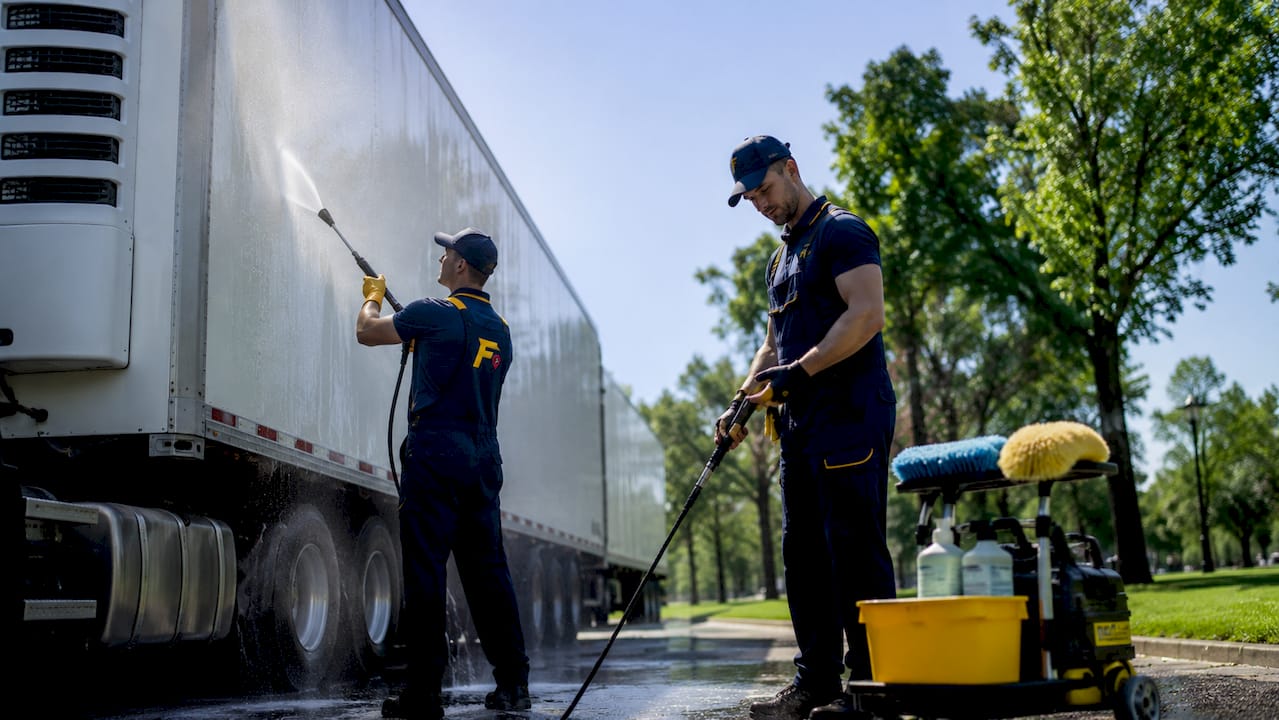
Pro Tip: If you haul refrigerated cargo, ask specifically about reefer trailer washouts before you arrive. Not every facility handles reefer units, and confirming ahead prevents a wasted trip.
Finding a trustworthy commercial truck wash takes more than a quick map search. Most truck washes operate as walk-in facilities, but calling ahead to confirm wait times and service availability is the single most effective way to avoid delays.
Follow these steps before pulling into any facility:
Pro Tip: Save the phone numbers of two or three truck wash locations along your regular routes. When you need a wash, you can call while driving and have a confirmed slot before you exit.
Pricing and service selection depend on several variables that every driver and owner-operator should understand before committing to a stop.
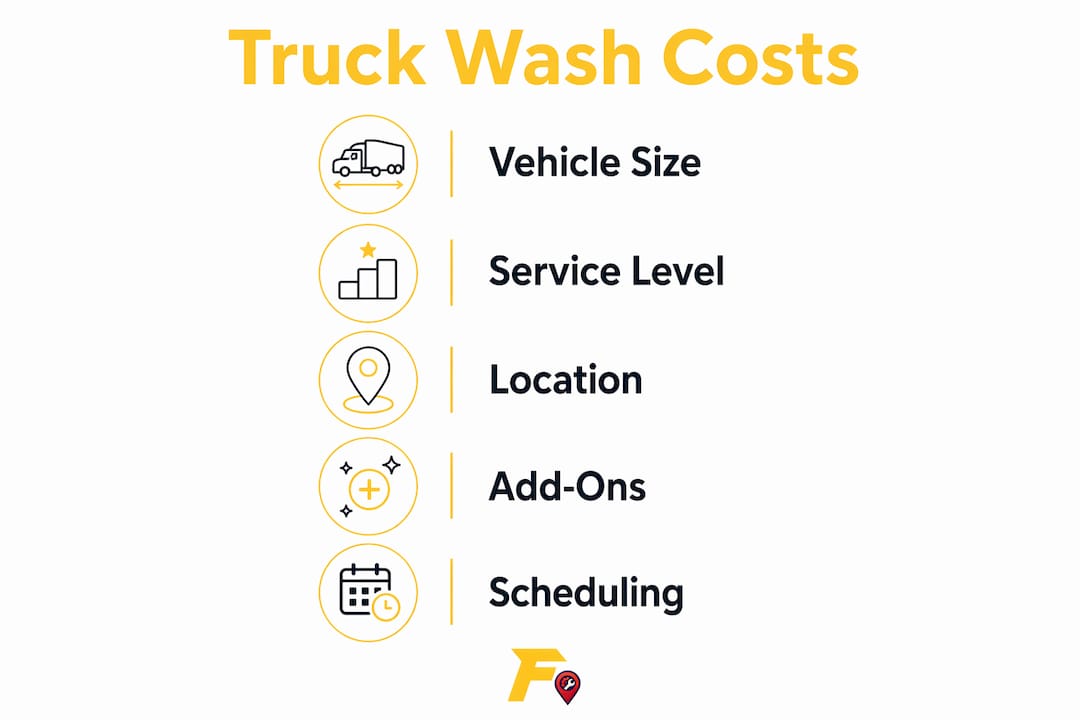
Truck wash prices vary based on vehicle size and service level. A basic tractor-only exterior wash typically runs under $75 at most professional facilities. A full tractor-trailer wash with exterior cleaning and a trailer washout generally exceeds $100. Add-on services push costs higher.
Service LevelTypical Price RangeWhat's IncludedTractor wash onlyUnder $75Exterior cab and frame washFull tractor-trailer wash$100 and upExterior wash plus trailer exteriorWashout (interior)Varies by trailer typeInterior cleaning for dry van, tanker, reeferAluminum brighteningAdd-on feeAcid treatment for wheels and tanksDegreasingAdd-on feeEngine bay and undercarriage cleaning
Prices are not publicly listed at every facility, so calling ahead for a quote is always the right move.
The choice between a wash bay and mobile fleet washing comes down to your situation. Wash bays suit detailed cleaning jobs where you need degreasing, brightening, or interior washouts. Mobile washing fits routine exterior maintenance when your truck is parked at a yard or terminal.
Mobile fleet washing eliminates deadhead miles. Driving 20 miles out of route to reach a wash bay costs fuel and time. If a mobile crew can come to your location, the math often favors that option for owner-operators running tight margins.
Key factors that affect your total cost:
Building a wash routine into your schedule is the most reliable way to stay compliant, protect your equipment, and present a professional image to shippers and receivers.
Drivers who run consistent routes benefit most from planning wash stops in advance. High-traffic trucking states like Texas and Florida have dense networks of commercial wash facilities near major freight corridors. Drivers running through these states can often combine a wash stop with a fuel stop or a required rest break, cutting total downtime significantly.
Here are the practices that experienced drivers use to stay ahead of maintenance:
Peak times at truck washes fall on weekday mornings and the days before major holidays. Scheduling around those windows reduces idle time and keeps your operation moving.
The most effective approach to finding a truck wash near you is to call ahead, confirm vehicle compatibility, and match the service type to your actual cleaning need.
PointDetailsKnow your service typeChoose wash bays for detailed cleaning and mobile washing for routine on-site maintenance.Call before you arriveConfirm wait times, vehicle clearances, and specialty service availability to avoid wasted trips.Understand pricing tiersBasic tractor washes run under $75; full tractor-trailer services typically exceed $100 with add-ons extra.Plan around peak hoursWeekday mornings and pre-holiday periods are the busiest times at most commercial truck wash facilities.Use a trucking-specific directoryGeneral map apps miss service details; use a platform like Fraqsolutions to find verified wash locations.
The most common mistake new drivers make is treating all truck washes as interchangeable. They pull into the first facility they find, only to discover it does not handle their trailer type, does not offer the washout certificate they need, or has a two-hour wait because it is 8:00 AM on a Monday.
Experienced operators treat the wash stop like any other logistical decision. They check the service menu, confirm the facility handles their specific equipment, and call ahead. That 5-minute phone call consistently saves 45 minutes of idle time at the gate.
Mobile fleet washing is another area where I see drivers leave money on the table. Many assume it is only for large fleets with dedicated contracts. The reality is that mobile washing saves fuel and time for individual owner-operators too, especially when your truck sits at a terminal between loads. Eliminating the drive to a wash bay is a direct cost reduction.
The other thing worth saying plainly: read the service menu before you commit. Facilities that list their capabilities clearly, including vehicle size limits and specialty services, are the ones worth returning to. Transparency from a wash provider is a signal of professionalism across the board.
— FRAQ
Fraqsolutions is built specifically for drivers and owner-operators who need fast, reliable access to trucking services without the runaround. The platform lists verified truck wash locations, mobile fleet washing providers, and specialty service facilities across the United States.
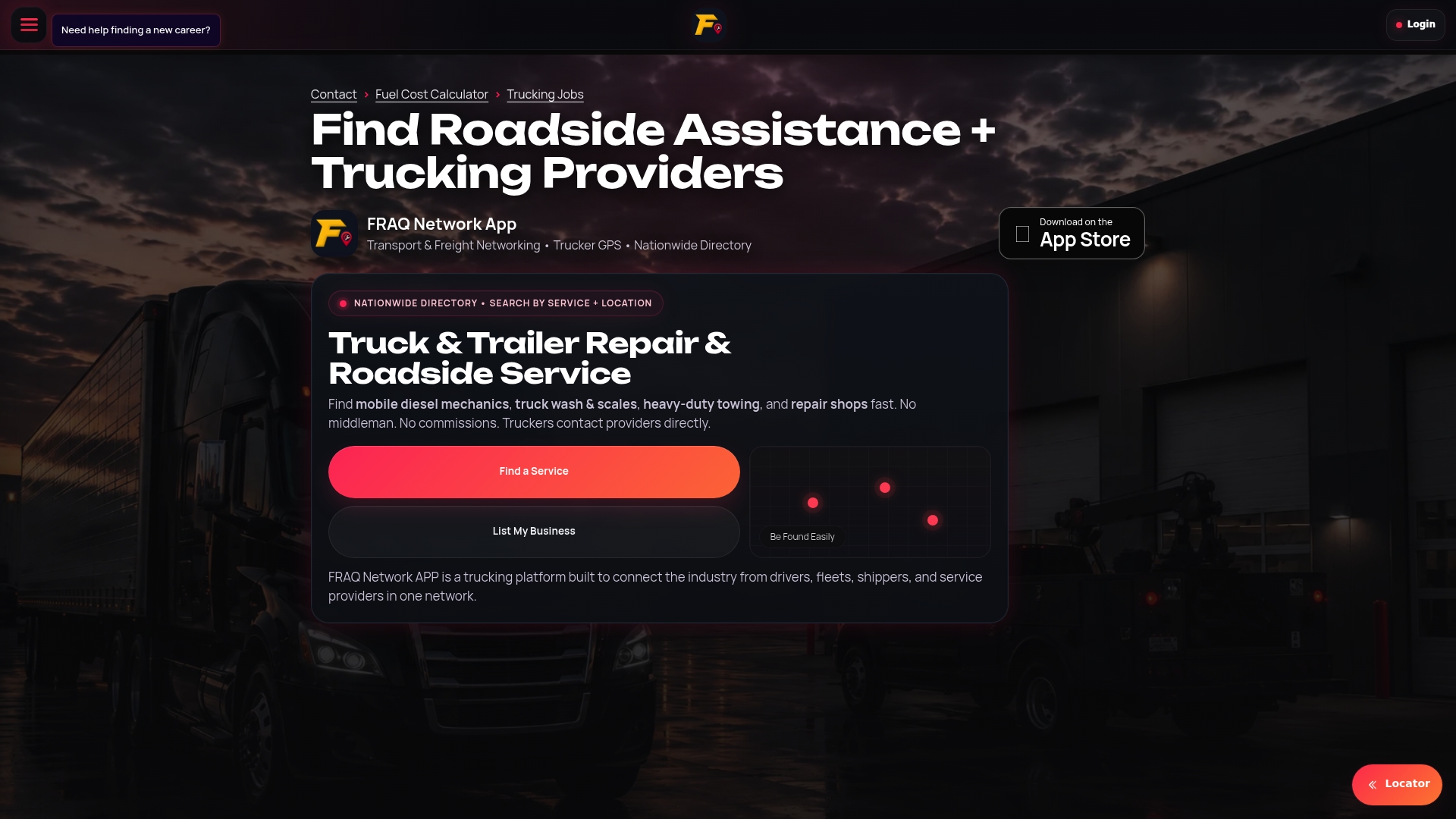
You can use the Fraqsolutions service locator to find truck wash locations near your current position, filter by service type, and get direct contact information with no middlemen involved. For drivers who also need roadside support, the platform connects you to 24/7 repair and maintenance providers alongside wash services, so one stop covers multiple needs. Check the info and FAQs page to learn more about how Fraqsolutions supports your operation from the road.
A professional truck wash typically includes exterior cab and trailer washing, degreasing, and optional add-ons like aluminum brightening and interior washouts. Service menus vary by facility, so calling ahead confirms exactly what is available.
A basic tractor wash runs under $75 at most professional facilities, while a full tractor-trailer wash with add-on services generally exceeds $100. Specialty services like tanker washouts or acid brightening carry additional fees.
Most commercial truck washes accept walk-ins, but calling ahead is strongly recommended to check wait times and confirm service availability, especially during peak hours on weekday mornings.
Not all facilities offer reefer trailer washouts. Drivers hauling refrigerated cargo should verify this capability before arriving, as specialty cleaning for reefer units requires specific equipment and certification.
Some truck wash facilities offer dedicated bays or services for RVs and motorhomes. Drivers should confirm RV compatibility when booking, as not every commercial wash bay accommodates smaller or non-commercial vehicles.